Critical Car Spare Parts You Need for a Smooth Ride
Keeping a vehicle running safely and efficiently depends greatly on key spare parts. A dependable battery, efficient brake pads, and quality tires are just a few components that play vital roles. Overlooking any of these parts can result in unexpected problems. Understanding how to choose the right parts and when to replace them can enhance the driving experience markedly. The consequences of such decisions reach well past basic convenience, inviting reflection on what really counts for an effortless driving experience.
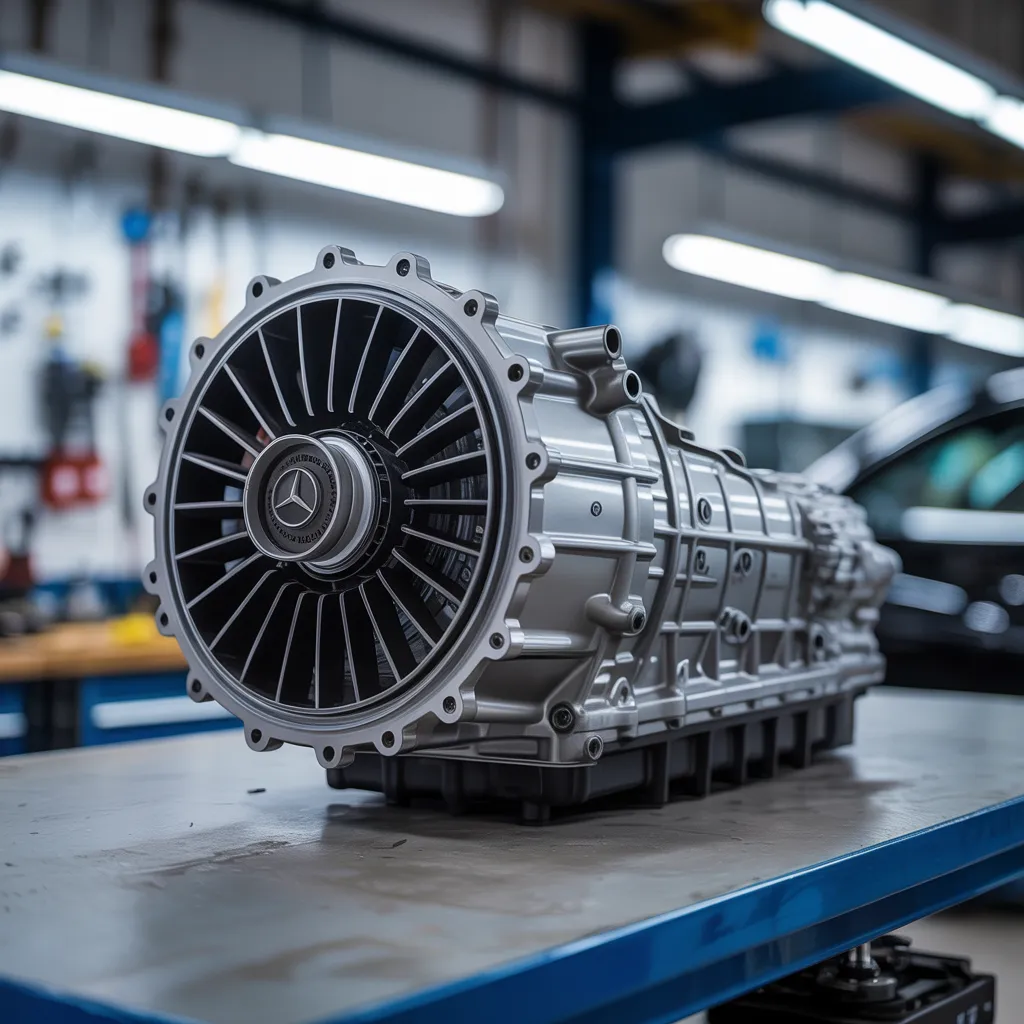
Vital Auto Parts for Your Ride
Each vehicle owner needs to understand critical spare components that ensure the safe and efficient functioning of their vehicle. Important parts consist of the car battery, which provides the necessary power for engine startup and electrical system functionality. The charging unit is instrumental in sustaining battery power while the engine is running. Additionally, brake pads play a key role in guaranteeing effective braking, while air filters protect engine health by eliminating harmful contaminants.
Tires are another key spare part; they affect handling, traction, and overall safety. Routine inspection of tire tread and pressure is essential. Wiper blades enhance visibility in rainy conditions, while headlights provide reliable illumination for nighttime travel. Additionally, belts and hoses, including the timing belt and radiator hoses, are vital for engine performance and cooling. Having these spare parts on hand not only improves vehicle dependability but also fosters a safer driving experience.
How to Find the Ideal Battery for Your Car
Choosing the appropriate battery for a car is a vital aspect of ensuring vehicle performance. When picking a battery, one must consider several factors. First, the battery's size and type should correspond to the vehicle's specifications, which can usually be found in the vehicle manual. Furthermore, the Cold Cranking Amps (CCA) rating is essential, as it reflects the battery's capability to crank the engine in cold conditions. Furthermore, the Reserve Capacity (RC) rating reflects how long the battery can run on its own if the alternator fails.
Battery longevity is another important factor to keep in mind; batteries typically endure for three to five years. It's advisable to choose reputable brands known for quality and reliability. Finally, price should not be the sole deciding factor. Purchasing a premium battery can help avoid unexpected failures and ensure a more reliable driving experience over time.
Why Are Brake Pads Critical for Your Safety?
Brake pads function as a critical component in a vehicle's braking system, significantly affecting driver and passenger safety. They produce friction on the brake rotors, enabling the vehicle to decelerate or stop efficiently. Deteriorated or faulty brake pads can lead to decreased stopping power, raising the likelihood of collisions. This reduced effectiveness can result in longer stopping distances, making it harder to react promptly in emergency situations.
Consistent inspection and timely renewal of brake pads are critical for sustaining superior braking effectiveness. Ignoring signs of wear, such as squeaking or grinding noises, may lead to more severe damage, including rotor replacement, which can be costly. Consequently, confirming that brake pads are in good condition is not only a matter of performance but also a significant aspect of overall driving safety. Vehicle operators should place brake maintenance at the forefront to secure safe travels throughout their driving experience.
Vital Supplies: Important Filtration Components to Stock
Even though many drivers pay attention to major components like engines and brakes, the importance of common filters in a vehicle should not be ignored. Critical filters, including the oil filter, air filter, and fuel filter, have a significant impact on maintaining the automobile's performance and durability.
The oil filter extracts harmful particles from engine oil, guaranteeing smooth engine operation and minimizing wear. The air filter blocks dirt and debris from entering the engine, enhancing fuel efficiency and engine performance. Furthermore, the fuel filter blocks contaminants from the fuel system, supporting efficient combustion and preventing damage to the engine.
Regularly inspecting and replacing go to article these filters is essential for maintaining a healthy vehicle. Overlooking them can cause diminished efficiency, elevated emissions, and even significant repair costs. By focusing on filter care, drivers can ensure a better driving experience and increase the longevity of their vehicle.
When and Why to Replace Worn Tires
Tire condition is an essential element of vehicle safety and performance. Recognizing the signs of wear and understanding the importance of tread depth can prevent accidents and improve handling. Timely replacement of worn tires is essential for maintaining ideal driving conditions.
Tire Wear Indicators
Deteriorating tires can significantly affect vehicle safety and performance. Vehicle owners should remain alert to multiple warning signs of tire wear. Irregular tread patterns, including bald spots or patches, suggest that the tires may require replacement. Moreover, when the tread looks considerably shallower than the manufacturer's guidelines, this represents a definitive warning sign. Cracks or bulges on the tire sidewalls also suggest structural damage, compromising safety. A car drifting to one side while in motion may indicate uneven tire wear, requiring prompt attention. In addition, significant vibrations or noise during operation can point to tire deterioration. Regular inspections and awareness of these signs are essential for maintaining ideal vehicle performance and ensuring safety on the road.
Importance of Tread Depth
Ensuring proper tread depth is vital for vehicle safety and performance. Tread depth influences grip, especially in wet or slippery conditions, where inadequate depth can result in hydroplaning. A common guideline is to replace tires once tread depth drops below 2/32 of an inch. Driving on worn tires increases stopping distances and compromises handling, making it critical to monitor tread wear regularly. Additionally, uneven tread wear can indicate alignment or suspension issues, which should be addressed promptly. By keeping sufficient tread depth, vehicle owners strengthen safety, optimize fuel efficiency, and maximize tire lifespan. Routine inspections and prompt replacements are key measures in preserving optimal performance and minimizing the chance of accidents on the road.
Where to Source Quality Spare Parts for Your Automobile
Where can one discover trustworthy replacement parts for their vehicle? High-quality spare parts are crucial for ensuring maximum performance and long-term reliability. Local automotive parts shops frequently offer a variety of parts, allowing customers to inspect items in person. Digital marketplaces, including Amazon and dedicated auto parts platforms, deliver accessibility and cost-effective options, commonly displaying user reviews and ratings to inform selections. Moreover, official dealerships provide authentic manufacturer parts, which are engineered precisely for particular vehicle models. Junkyard facilities may also present a cost-effective solution, offering secondhand parts that are still functional and reliable. Additionally, automotive forums and community groups may offer advice and tools for finding high-quality replacement parts. Overall, utilizing a mix of these resources can help confirm that car owners locate the essential parts to service their vehicles properly.
Questions We Often Receive
How Often Should I Check My Spare Parts?
Periodic evaluations of spare parts ought to be performed every 5,000 to 7,500-mile intervals or during routine maintenance. This guarantees peak performance and safety. Furthermore, visual checks should be conducted monthly for signs of visible wear or damage.
Is It Okay to Use Used Spare Parts for My Car?
Absolutely, pre-owned spare parts can be applied for a automobile, provided they are in proper condition and fitting. However, one must thoroughly evaluate their dependability to ensure both safety and performance stay intact.
What Tools Are Required for Spare Part Replacement?
To replace spare parts, you generally require essential tools such as wrenches, screwdrivers, pliers, a jack, and a torque wrench. This equipment supports safe removal and secure installation, making certain the vehicle remains in optimal working condition.
How Do I Identify a Genuine Spare Part?
To recognize an authentic spare part, it is important to inspect packaging for authenticity seals, check manufacturer details, cross-reference part numbers, and source from reputable suppliers. Additionally, reviews and warranties can help confirm the part's legitimacy.
Can Aftermarket Parts Be Trusted Compared to Original Parts?
Third-party parts can be trustworthy, but quality varies widely. Consumers should research brands, read reviews, and guarantee compatibility. Manufacturer parts commonly deliver reliable performance, while trusted third-party alternatives can offer financial savings without compromising safety.